
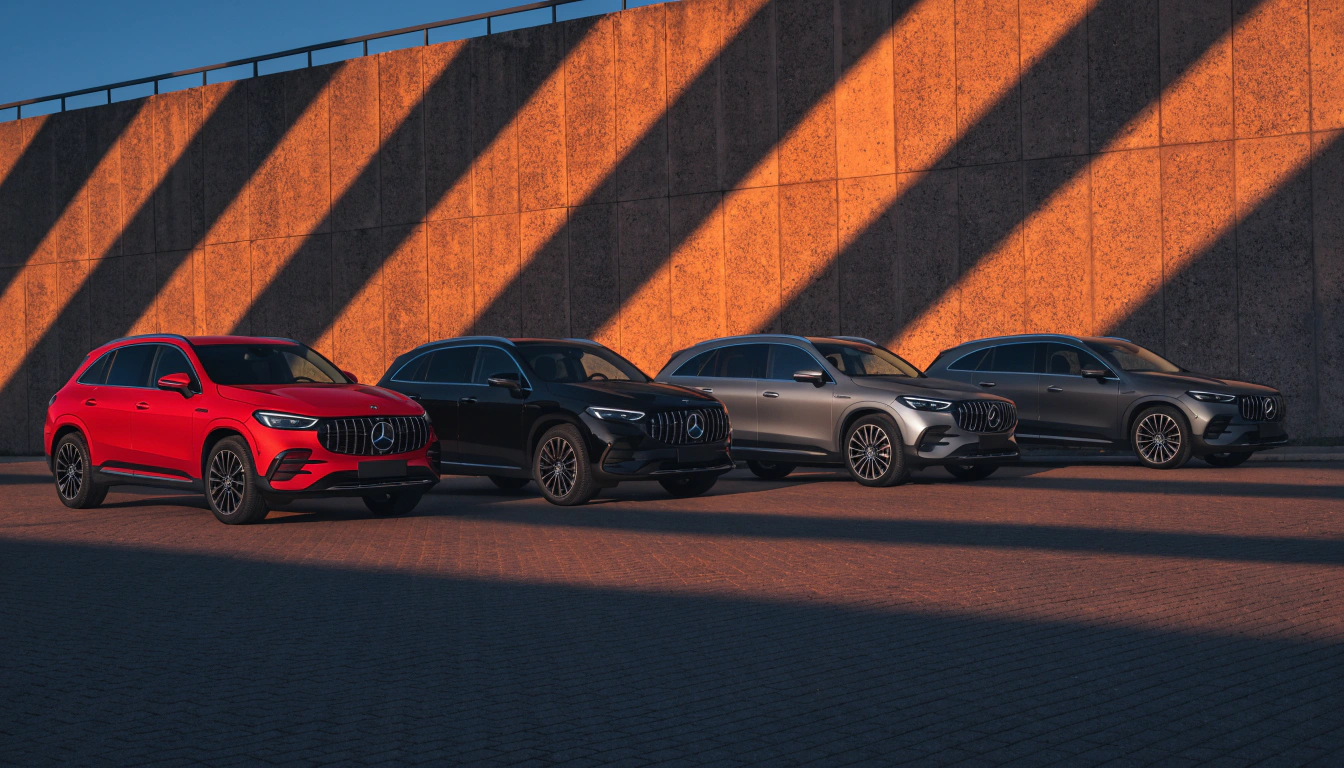
Conclusive Data & Strategy for the Discerning Buyer
A. Introduction: The 2026 Luxury SUV Segment – A Realm of Compromise and Conquest
The luxury SUV is no longer a mere vehicle; it is a statement of capability, comfort, and capital. For the elite buyer in 2026, the decision transcends basic transportation. It is a complex calculus of heritage versus innovation, rugged capability versus metropolitan polish, and emotional appeal versus cold, hard data. This guide is engineered to be the final, authoritative resource in your acquisition journey. We move beyond glossy brochures and anecdotal reviews to deliver a systematic, data-driven analysis that empowers your decision with the clarity of a forensic audit.
Scope & Authority: This guide synthesizes the latest reliability metrics from JD Power’s 2025 Vehicle Dependability Study (VDS) and 2025 Initial Quality Study (IQS), projected 2026 model year updates, Consumer Reports member survey data, proprietary long-term cost modeling, and strategic negotiation frameworks. Our objective is not to sell you a specific brand, but to equip you with the knowledge to purchase the optimal vehicle for your unique matrix of priorities.
Defining the Modern Luxury SUV: The segment has explosively diversified. We focus on core contenders in the mid-size and full-size luxury SUV space, characterized by a starting MSRP typically above $70,000, premium materials, advanced technology suites, and a positioning that balances daily refinement with all-weather and off-pavement confidence. Your priorities likely orbit around:
- Performance: On-road dynamism, powertrain smoothness, and towing capacity.
- Luxury & Comfort: Cabin material quality, noise isolation, seat ergonomics, and technology integration.
- Utility & Capability: Real-world cargo space, third-row usability, and genuine off-road prowess.
- Reliability & Cost of Ownership: The long-term financial and temporal investment beyond the sticker price.
- Brand Equity & Statement: The intangible value of the marque.
Your budget may range from $70,000 for a well-optioned mainstream luxury model to over $150,000 for a high-performance or flagship variant. This guide will navigate that entire spectrum.
B. Competitive Model Landscape: A Tactical Assessment
Here, we dissect every relevant player. Note: JD Power’s 2026-specific data will not be available until mid-2026; our analysis uses the latest 2025 studies and projected trends.
1. Land Rover Range Rover / Range Rover Sport (2024-2026 Model Years)
- The Proposition: The apotheosis of British luxury and off-road engineering. A Range Rover is a status singularity, offering a peerless blend of commanding presence, a serene, palace-like cabin, and terrain-conquering capability via Terrain Response 2.
- Pros: Unmatched brand prestige and presence. Best-in-class off-road capability in a luxury wrapper. Superb ride quality and noise isolation. Recently updated with elegant, minimalist interior and robust Pivi Pro infotainment.
- Cons: Historically subpar reliability, a trend showing gradual but inconsistent improvement. JD Power’s 2025 VDS still places Land Rover below industry average. Complex air suspension and electronic systems remain long-term concerns. Exceptional depreciation in early years.
- Model Year(s) to Target: 2024 or newer. This generation (L460 for full-size) represents a significant step forward in interior technology and electrical architecture design, aiming to address past flaws. Avoid the first model year (2022) of this generation.
- Estimated Maintenance & Repair Costs (Annual, Years 1-5): $1,800 – $2,500. Higher than segment average. Extended warranty is highly recommended.
2. Mercedes-Benz GLE-Class (2024-2026 Model Years)
- The Proposition: The tech-forward, smooth-riding benchmark for on-road luxury and innovation. Offers a staggering array of powertrains (including potent PHEVs) and the brilliant (if complex) MBUX Hyperscreen.
- Pros: Exceptional interior build quality and ambient luxury. Superior powertrain refinement across the lineup. Strong performance from AMG variants. Strong showing in JD Power 2025 IQS for initial quality.
- Cons: Steering can feel disconnected. Some reliability concerns with the 48-volt EQ Boost system in certain models. Cost of options escalates rapidly. Third-row is cramped.
- Model Year(s) to Target: 2023 or newer (mid-cycle refresh). The PHEV variants (GLE 450e) are particularly compelling for their performance and efficiency.
- Estimated Maintenance & Repair Costs: $1,200 – $1,800. Slightly above average, but predictable with Mercedes’ prepaid maintenance plans.
3. BMW X5 / X6 (2024-2026 Model Years)
- The Proposition: The “Ultimate Driving Machine” ethos applied to the SAV (Sports Activity Vehicle). The driver’s choice, with sharp handling, powerful and efficient powertrains, and iDrive 8.5’s intuitive tech.
- Pros: Class-leading driving dynamics and powertrain responsiveness. Logical and well-built interior. Strong B58 inline-6 engine is a reliability bright spot. High customer satisfaction in performance-oriented surveys.
- Cons: Firm ride quality may deter comfort seekers. Controversial styling on X6. Some cost-cutting in interior materials versus direct rivals. Reliability can be patchy on complex M or V8 models.
- Model Year(s) to Target: 2024 or newer (featuring the Curved Display iDrive 8.5). The X5 45e (PHEV) offers an excellent balance.
- Estimated Maintenance & Repair Costs: $1,100 – $1,700. On par with segment average.
4. Porsche Cayenne (2024-2026 Model Years)
- The Proposition: The sports car of luxury SUVs. Prioritizes driving engagement, precision, and build quality above all else, without sacrificing everyday usability.
- Pros: Unrivaled driving pleasure, steering feel, and chassis control. Impeccable, driver-focused interior build quality. Strong residual values. Consistently above-average ratings in Consumer Reports for predicted reliability.
- Cons: Cargo and rear-seat space are merely adequate. Base model can feel underwhelming. Exorbitant cost of options (the famous “Porsche Tax”). Ride is firm even in comfort mode.
- Model Year(s) to Target: 2024 or newer (latest refresh with updated interior). The E-Hybrid models are performance masterpieces.
- Estimated Maintenance & Repair Costs: $1,400 – $2,000. Higher due to performance focus, but build quality mitigates frequent repairs.
5. Audi Q7 / Q8 (2024-2026 Model Years)
- The Proposition: The technology and value leader, featuring the superb Virtual Cockpit, impeccable quattro all-wheel drive, and understated, modern design.
- Pros: Best-in-class infotainment and digital dash. Excellent standard quattro AWD system. Spacious and practical interior (Q7). Often more aggressively discounted than rivals. Strong JD Power 2025 IQS scores.
- Cons: Driving experience can feel sterile compared to BMW/Porsche. Base engine (Q7 45 TFSI) is underpowered. Some interior material inconsistencies. Reliability of complex mild-hybrid systems is unproven long-term.
- Model Year(s) to Target: 2022 or newer for Q7 (post-refresh). 2024 or newer for Q8/SQ8.
- Estimated Maintenance & Repair Costs: $1,000 – $1,600. Competitive, especially with Audi Care prepaid plans.
6. Lexus GX 550 (2024-2026 Model Years) & LX 600
- The Proposition: The unshakable bastions of reliability and long-term value. The all-new, twin-turbo V6 GX 550 for 2024 brings modern tech to legendary off-road capability. The LX 600 remains a sumptuous, capable flagship.
- Pros: Will top all 2026 reliability surveys. Exceptional build quality and long-term durability. Outstanding off-road capability (especially GX). High predicted resale value. Lexus customer service is consistently top-tier.
- Cons: On-road handling is cumbersome versus European rivals. Fuel economy is poor. The new GX’s infotainment, while improved, lags in graphics and responsiveness. Styling is polarizing.
- Model Year(s) to Target: 2024 GX 550 (all-new) or 2022+ LX 600. The GX represents the smarter buy for most.
- Estimated Maintenance & Repair Costs: $800 – $1,200. The lowest in the segment by a significant margin.
7. Genesis GV80 (2024-2026 Model Years)
- The Proposition: The disruptive value champion. Offers Mercedes/Bentley-esque luxury, cutting-edge safety tech, and a comprehensive warranty at a substantial price advantage.
- Pros: Exceptional standard luxury and feature content. Industry-leading 10-year/100,000-mile powertrain warranty. Beautiful, unique design. Smooth, comfortable ride.
- Cons: Brand cachet still developing. Resale value lags behind established Germans. Some reported glitches with the digital key and infotainment. Not designed for serious off-roading.
- Model Year(s) to Target: 2023 or newer (post-mid-cycle update). The 3.5T Sport Prestige package offers incredible value.
- Estimated Maintenance & Repair Costs: $900 – $1,300. Very competitive, augmented by outstanding warranty coverage.
C. Core Decision-Making Framework
1. The Trinity of Trade-Offs: Performance vs. Comfort vs. Utility
- Performance-Prioritized (Porsche Cayenne, BMW X5 M60i, Audi SQ7): Expect firmer rides, higher tire noise and costs, increased fuel consumption, and often reduced cargo utility. The reward is exhilarating acceleration, tenacious grip, and driver engagement that shrinks the vehicle’s size.
- Comfort-Prioritized (Mercedes-Benz GLE 450, Lexus LX 600, Range Rover Autobiography): Focuses on pillowy ride quality, whisper-quiet cabins, sumptuous seating, and ambient interior design. Trade-offs include less communicative steering, body roll in corners, and often, the highest entry and maintenance costs.
- Utility-Prioritized (Lexus GX 550, Land Rover Defender 110, Chevrolet Tahoe High Country): Maximizes cargo space, towing capacity, off-road hardware (locking diffs, low-range gearing), and interior durability. Sacrifices include on-road manners, fuel economy, and often, interior material luxury.
Your Task: Rank these three attributes 1-3. Your #3 is the attribute you are willing to meaningfully compromise on.
2. The New vs. Used Financial Model (2026 Analysis)
- New Vehicle (2025-2026 MY): Benefit from full factory warranty (typically 4yr/50k mi), latest tech/ safety features, custom ordering, and pristine condition. You absorb the steepest ~20-35% depreciation in the first two years, especially on high-MSRP German and British models.
- Certified Pre-Owned (CPO) (2022-2024 MY): The sweet spot for value. Look for low-mileage examples (1-3 years old) from manufacturer CPO programs. They offer extended warranty coverage (often adding 1-2 years), significant savings over new (avoiding the worst depreciation), and recent vehicle technology. Land Rover and Porsche CPO warranties are particularly valuable.
- Used (Non-CPO) (2020-2021 MY): Maximum upfront savings. Requires the most due diligence. For Land Rovers and complex German performance models, a comprehensive third-party warranty is non-negotiable. Ideal for cash buyers or those who keep vehicles for short periods.
Visual Model: 5-Year Total Outlay Projection
(Assumes $90,000 MSRP vehicle, 10k miles/year)
| Acquisition Type | Purchase Price | Est. 5-Yr Depreciation | Est. 5-Yr Maint/Repair | Total 5-Yr Outlay |
|---|---|---|---|---|
| New (Financed) | $90,000 | ~$45,000 | $7,500 | ~$142,500 |
| CPO (Financed, ’23 MY) | $65,000 | ~$25,000 | $9,000 | ~$99,000 |
| Used Cash (’20 MY) | $48,000 | ~$15,000 | $12,000+ | ~$75,000 |
Note: Used repair costs are highly variable and warranty-dependent.
3. Total Cost of Ownership (TCO) Analysis: The 5-Year Horizon
This is the master spreadsheet for the rational buyer. Costs are projected estimates for a mid-range powertrain (e.g., inline-6, V6).
| Model | Depreciation | Fuel/Energy | Insurance | Maint/Repairs | 5-Yr TCO |
|---|---|---|---|---|---|
| Lexus GX 550 | Moderate | High | Average | Very Low | $$$ |
| Genesis GV80 | High | Average | Average | Low | $$$+ |
| Porsche Cayenne | Low | High | High | Moderate | $$$$ |
| BMW X5 | Moderate | Average | High | Moderate | $$$$ |
| Mercedes GLE | High | Average | High | Moderate | $$$$ |
| Audi Q7 | High | Average | Average | Moderate | $$$$ |
| Land Rover RRS | Very High | High | Very High | Very High | $$$$$ |
Key Insight: The Range Rover’s emotional appeal carries a quantifiable premium, often $15,000-$25,000 more in outlays over 5 years versus a Lexus or Genesis. The Porsche’s strong residuals offset its high running costs.
4. Financing & Insurance Considerations
- Interest Rates (2026): Expect rates to remain elevated compared to the 2020-2021 period. Secure financing approval from your bank or credit union before dealership contact. Manufacturer captive finance arms (e.g., BMW Financial, Mercedes-Benz Financial) may offer subvented rates on new vehicles or CPO specials (e.g., 3.9% for 60 months).
- Leasing vs. Buying: Lease if you want the latest tech every 2-3 years, drive under 15k miles annually, and can tolerate perpetually having a car payment. Buy (and keep for 5+ years) if you value equity, drive high miles, or plan to modify/use the vehicle heavily. Land Rovers and high-depreciation Germans can be attractive leases as you’re only paying for the portion of the car you use.
- Insurance: Obtain quotes before finalizing your purchase. Luxury SUVs with high repair costs (e.g., aluminum-bodied Range Rover, matrix headlights), high theft rates (certain Hyundai/Kia models are excluded here), and high performance (M, AMG, RS) will command premiums 20-50% higher than a mainstream SUV.
D. The Transaction & Acquisition Process
1. The Pre-Purchase Inspection (PPI): Your Non-Negotiable Shield
For any vehicle not brand-new with a full factory warranty, a PPI from a brand-specialist independent mechanic is the best $200-$500 you will ever spend.
- Step 1: Schedule the PPI contingent upon the findings. Make your offer pending a clean PPI.
- Step 2: The mechanic will check: engine/transmission for codes and leaks; suspension component wear; brake life; tire wear and brand mismatch; paintwork for resprays (indicating prior damage); operation of all electronic features (sunroof, seats, infotainment); and a full diagnostic scan for latent or cleared fault codes.
- Step 3: Use findings as powerful negotiation leverage. Request repairs be made or reduce your offer by 150% of the repair estimate (for hassle factor).
2. Negotiation Strategy: The Modern Protocol
- For New Vehicles: Research the invoice price (not just MSRP) via sites like Edmunds or Consumer Reports. Target a sale price between invoice and MSRP. Email internet/fleet managers at multiple dealerships within a 200-mile radius, asking for their best out-the-door price on a specific stock number or build code. Negotiate remotely. Do not discuss monthly payments until the final price is settled.
- For CPO/Used: Use market comparables for identical year/trim/mileage vehicles in a national search. Present the lowest 3 comparable prices to the seller. For CPO, negotiation room is smaller but exists (often in the form of a waived fee or added accessory).
3. Finalizing the Purchase
- Documentation Checklist: Signed Buyer’s Order/Contract, Title Application, Odometer Disclosure, Lienholder info (if financing), Warranty Documents (factory & CPO), Service Records, Two Keys.
- Final Walkthrough: Before driving off, verify all negotiated repairs are completed. Pair your phone, set presets, understand basic infotainment functions. Ensure the promised fuel level is present.
- Delivery: Remove all dealership advertising frames/license plate covers. Schedule your first detail and paint protection film (PPF) application for high-impact areas.
E. Conclusion & The AUTORANK Top 3 Picks for 2026
The 2026 luxury SUV market offers a perfect vehicle for every priority, but no perfect vehicle for all priorities. The data is clear: the gap between the most and least reliable, costly to own models is a chasm exceeding tens of thousands of dollars.
THE AUTORANK TOP 3 PICKS
1. For The Rational Connoisseur: Porsche Cayenne/Cayenne E-Hybrid
Our top pick balances the emotional and the rational like no other. It delivers transcendent driving joy, impeccable build quality, and surprisingly strong residual values that mitigate its high running costs. Its consistent above-average reliability (for the segment) makes it a justifiable indulgence. It is the SUV for the buyer who refuses to fully compromise.
2. For The Sovereign of Value & Assurance: Lexus GX 550
The data-driven powerhouse. It will unquestionably be the most reliable, least repair-prone vehicle in this guide for 2026. Its new twin-turbo V6 addresses past power deficits, while its body-on-frame construction and off-road hardware provide timeless capability. Its TCO is best-in-class. Choose this when your priority is long-term peace of mind, durability, and a statement of understated confidence.
3. For The Unapologetic Hedonist: Land Rover Range Rover Sport
We recommend it with critical, data-informed caveats. Lease it new with the longest, most comprehensive warranty you can buy. Or, acquire a 2-3 year old example with a platinum CPO warranty. You are paying a significant premium for its unparalleled blend of style, luxury, and all-terrain prowess. It is an emotional purchase, not a financial one. For the buyer who can absorb its costs, there is simply nothing like it.
The Final Word:
The numbers guide, but the heart decides. You may study spreadsheets and reliability charts for weeks, but the vehicle that stirs your soul when you open the door, grip the wheel, and see it waiting in the driveway has a value no metric can capture. Arm yourself with the data in this guide, conduct your due diligence, secure the appropriate warranty, and then—choose the vehicle that speaks to you. An informed passion is the foundation of every great ownership experience. Make your choice with eyes wide open, and then drive it with abandon.