
A. Introduction: Defining the Segment & The Modern SUV Imperative
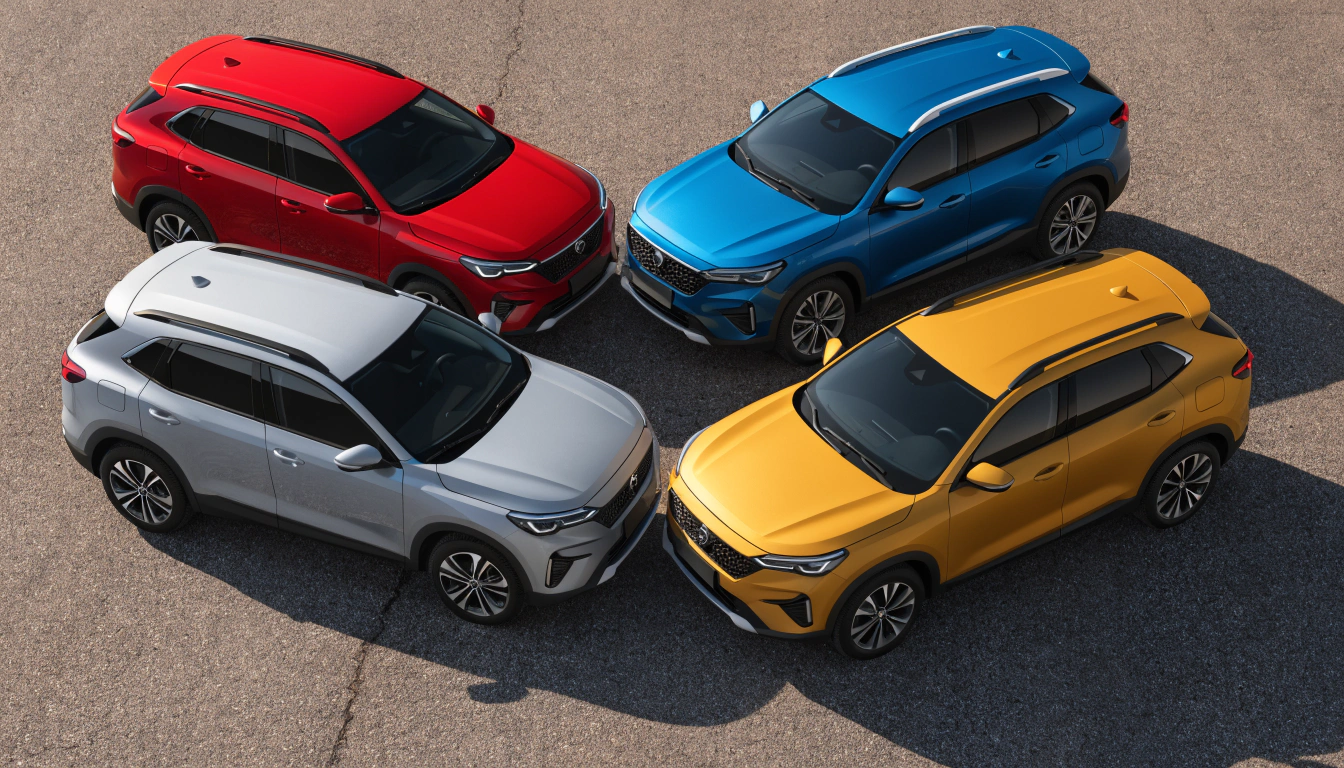
Welcome to your last stop before purchase. If you are reading this, you have likely narrowed your focus to the most consequential segment of the automotive market: the midsize SUV. In 2026, this category represents the optimal convergence of space, capability, technology, and value, serving as the default choice for families, adventurers, and professionals alike. This guide is engineered not to add to the noise, but to cut through it. We provide a systematic, data-driven, and unbiased framework to transform you from a researcher into a confident owner.
The scope of this guide is exhaustive, covering every critical model from the 2022-2025 model years—the sweet spot for depreciation and modern features. We define “midsize SUV” as a five-to-seven-passenger vehicle built on a unibody platform (with some traditional body-on-frame exceptions), offering all-wheel drive capability, and positioning itself between compact crossovers and full-size haulers.
Your journey begins with three self-assessments:
- Primary Use Case: Is this a daily commuter, a family shuttle, a weekend escape pod, or a blend of all three?
- Budget Reality: Establish your total out-the-door budget, separating down payment from monthly payment tolerance. Remember: the purchase price is just the entry fee.
- Non-Negotiable Priorities: Rank these: Fuel/Energy Efficiency, Cabin & Cargo Space, Technology & Safety Features, Towing & Off-Pavement Capability, Driving Dynamics.
With your personal triad defined, you are ready to navigate the landscape.
B. Competitive Model Landscape: The 2026 Field Analyzed
Here, we present every relevant contender. This is not a cursory list but a detailed dossier on each model, highlighting the specific model years to target for optimal value and reliability.
1. Toyota Highlander (2023-2025)
- Pros & Cons: The benchmark for dependable, rational family transportation. Its strengths are legendary reliability, excellent resale value, a smooth and efficient hybrid powertrain (target the Hybrid), and a practical, well-built interior. Its weaknesses are a firm ride on certain trims, less engaging driving dynamics than some rivals, and a third row best suited for children.
- Model Year(s) to Target: 2023+. This refresh brought updated styling, a standard 8-inch touchscreen (12.3-inch optional), and standard Toyota Safety Sense 2.5+. The hybrid model is particularly compelling for its minimal fuel cost penalty over the standard V6.
- Estimated Maintenance & Repair Costs (5-Year): $3,800 – $4,200. Among the lowest in the segment. Toyota’s reputation for durability translates into predictable, affordable long-term costs. The hybrid system requires minimal extra maintenance.
2. Honda Pilot (2023-2025)
- Pros & Cons: A masterclass in packaging and family-focused utility. The 2023+ redesign is a major leap forward, offering a spacious, versatile interior with a truly usable third row, a confident and powerful standard V6, and excellent cargo management. Cons include a firm ride on lower trims, higher-than-average road noise, and fuel economy that trails the turbo and hybrid competition.
- Model Year(s) to Target: 2023+ exclusively. The new generation offers a significant upgrade in styling, interior quality, tech (10.2-inch digital cluster), and the clever “Magic Slide” second-row seats.
- Estimated Maintenance & Repair Costs (5-Year): $4,000 – $4,500. Honda’s costs are slightly higher than Toyota’s but remain very competitive. The V6 is a proven, durable unit.
3. Ford Explorer (2022-2025)
- Pros & Cons: Offers a compelling American alternative with rear-wheel-drive-based architecture (for better towing and handling), powerful engine choices (especially the 2.3L EcoBoost and 3.0L ST), and a widely available, functional interior. Drawbacks include inconsistent interior material quality, a sometimes-clunky SYNC infotainment system, and a history of minor electrical gremlins.
- Model Year(s) to Target: 2022+. Look for models with the larger 10.1-inch or 12-inch SYNC 4A touchscreen. The 2023+ models received minor interior updates. The ST-Line and Timberline trims offer great aesthetics without the full ST performance price.
- Estimated Maintenance & Repair Costs (5-Year): $4,800 – $5,500. Higher than Japanese rivals. Turbocharged engines and more complex electronics can lead to costlier repairs as mileage accumulates.
4. Hyundai Palisade / Kia Telluride (2023-2025)
- Pros & Cons: The value and feature disruptors. Both share platforms but have distinct styling. They offer unparalleled standard and available features for the price, supremely comfortable and quiet interiors, user-friendly technology, and generous warranty coverage (best for certified pre-owned). Weaknesses include less engaging driving dynamics (soft suspension), lower perceived resale value (though improving), and engine power that is adequate but not thrilling.
- Model Year(s) to Target: 2023+. The mid-cycle refresh updated exterior styling and added some new standard safety tech. The Nightfall (Telluride) and Calligraphy (Palisade) trims are particularly sought-after.
- Estimated Maintenance & Repair Costs (5-Year): $4,200 – $4,700. Very reasonable, thanks in part to generous warranty coverage that often transfers to a second owner. Electrical feature complexity is the main potential cost driver.
5. Subaru Ascent (2022-2025)
- Pros & Cons: The all-weather, outdoor-family specialist. Standard symmetrical all-wheel drive is its hallmark, offering superior traction in adverse conditions. The interior is highly functional with excellent visibility. The turbocharged engine provides adequate power. Cons include below-average fuel economy for the class, a CVT that can feel strained, and an infotainment system that can be laggy.
- Model Year(s) to Target: 2022+. Updates improved infotainment responsiveness and added more standard driver assists. The Onyx Edition trim offers a unique, durable interior with water-repellent seat fabric.
- Estimated Maintenance & Repair Costs (5-Year): $4,500 – $5,000. Subaru’s boxer engine and full-time AWD system require diligent maintenance (fluid changes) to ensure longevity, pushing costs slightly higher.
6. Mazda CX-9 (2022-2024)
- Pros & Cons: The driver’s choice. It delivers car-like handling, a premium and quiet interior that punches above its price, and a potent turbocharged engine. It feels more upscale than its mainstream competition. The trade-off is a notably tighter third row and less overall cargo space than key rivals. It’s a 6-7 passenger SUV that prioritizes the first two rows.
- Model Year(s) to Target: 2022+. The Signature trim offers genuine luxury materials (Nappa leather, real wood). The 2023 model year saw the introduction of the more powerful CX-90, making remaining CX-9s a potential value buy.
- Estimated Maintenance & Repair Costs (5-Year): $4,000 – $4,400. Mazda’s reliability has soared in recent years. The turbo engine is robust, and overall mechanical simplicity keeps costs in check.
7. Jeep Grand Cherokee (L) (2022-2025)
- Pros & Cons: The icon with two personalities. The two-row Grand Cherokee offers superior on-road refinement and off-road capability (Trailhawk). The three-row Grand Cherokee L focuses on family space but loses some off-road prowess. Both offer excellent available powertrains (the V8 is a gem) and a high-quality interior (upper trims). Cons are significant: below-average reliability ratings, high depreciation on non-trail models, and expensive repair costs.
- Model Year(s) to Target: 2022+ for the new generation. Prioritize models with the Uconnect 5 system (larger screens). The 4xe plug-in hybrid is an intriguing option for short electric commutes.
- Estimated Maintenance & Repair Costs (5-Year): $6,000 – $8,000+. The highest in the segment. Complexity, brand-specific issues, and parts costs contribute to a steep long-term cost curve. A factory-backed extended warranty is highly recommended.
8. Volkswagen Atlas / Atlas Cross Sport (2022-2025)
- Pros & Cons: The space champion. It offers the most passenger and cargo room in the class, a smooth ride, and a simple, clean interior design. The VR6 engine is smooth and powerful. Cons include mediocre fuel economy, uninspiring handling, and interior materials that feel less premium than some rivals.
- Model Year(s) to Target: 2024+. A major refresh brought a vastly improved interior with soft-touch materials, a new digital cockpit, and a more powerful (but 4-cylinder only) turbocharged engine. Avoid pre-2024 models if tech and interior quality are priorities.
- Estimated Maintenance & Repair Costs (5-Year): $5,000 – $5,800. Volkswagen’s costs are above average. The new 2.0T engine is too new to fully assess, but the outgoing VR6 was generally reliable with scheduled maintenance.
C. Core Decision-Making Framework
Performance vs. Comfort vs. Utility
This segment forces a choice. You cannot maximize all three.
- Performance-Focused: Mazda CX-9, Ford Explorer ST-Line/ST. You gain responsive handling and powerful acceleration. You sacrifice some ride plushness, ultimate cabin quietness, and, in the CX-9’s case, third-row and cargo space.
- Comfort & Refinement-Focused: Hyundai Palisade, Kia Telluride, Mazda CX-9 (Signature). You gain a serene, feature-rich cabin that isolates from road imperfections. You sacrifice athletic driving dynamics and, to a degree, driver engagement.
- Utility & Capability-Focused: Honda Pilot, Toyota Highlander Hybrid, Subaru Ascent, Volkswagen Atlas. You gain space, versatility, AWD competence (especially Subaru), and family-friendly functionality. You sacrifice the premium feel and sharp styling of the comfort and performance contenders.
The New vs. Used Financial Model (2026 Midsize SUV)
| Consideration | New SUV (MSRP ~$45,000) | Used SUV (3-Year-Old, ~30k mi) |
|---|---|---|
| Purchase Price | $45,000 + fees/tax | $32,000 (approx. 29% depreciation) |
| Warranty | Full factory (3yr/36k mi + 5yr/60k mi powertrain) | Remainder of factory, often CPO extension available |
| Financing Rate | 5.5% (average for excellent credit) | 7.0% (average for used) |
| Year 1 Depreciation | ~$9,000 (20%) | ~$2,500 (8%) |
| 5-Year Total Cost* | ~$58,000 | ~$44,000 |
| **Projection includes purchase, finance, fuel, insurance, and maintenance. The used vehicle saves *~$14,000* over five years, a compelling argument for the savvy buyer.* |
Total Cost of Ownership Analysis (5-Year Projection)
| Model | Depreciation | Fuel (@ $3.75/gal) | Maintenance & Repairs | Insurance | Estimated 5-Year Total |
|---|---|---|---|---|---|
| Toyota Highlander Hybrid | $12,500 | $7,800 | $4,000 | $5,500 | $29,800 |
| Honda Pilot | $14,000 | $10,500 | $4,300 | $5,400 | $34,200 |
| Ford Explorer | $16,500 | $9,900 | $5,200 | $5,800 | $37,400 |
| Kia Telluride | $15,500 | $10,200 | $4,500 | $5,600 | $35,800 |
| Subaru Ascent | $14,800 | $11,000 | $4,800 | $5,500 | $36,100 |
| Jeep Grand Cherokee | $19,000 | $11,500 | $7,000 | $6,200 | $43,700 |
Note: Depreciation is the single largest cost. The Highlander Hybrid’s low fuel and maintenance costs make it the TCO champion.
Financing & Insurance Considerations
- Financing: In 2026, credit union rates are typically 0.5-1.0% lower than bank or captive (manufacturer) rates for used cars. Get pre-approved before you shop. A 48-month loan is the sweet spot for minimizing interest while keeping payments manageable.
- Leasing Used: “Leasehacking” a 1-2 year old CPO vehicle can sometimes offer lower payments than a purchase loan, but you build no equity.
- Insurance: Call your agent with specific VINs for quotes. High-performance trims (ST, Trailhawk), brands with higher repair costs (Jeep), and vehicles with high theft rates can be 15-30% more expensive to insure.
D. The Transaction & Acquisition Process
Vehicle Inspection Protocol
Do not skip this. A pre-purchase inspection (PPI) by a trusted, independent mechanic is non-negotiable and worth every penny of the $150-$250 cost.
Our Step-by-Step Guide & Checklist is available for download here: [LINK TO PDF]
Key Red Flags:
- Title History: Only accept a clean title. Rebuilt/salvage titles are financial quicksand.
- Maintenance Records: A complete, verifiable service history is worth a premium. No history is a significant risk.
- Frame/Structural Damage: Your mechanic will check for uneven panel gaps, repainted sections, or misaligned frame rails.
- Test Drive Checklist: Test it cold. Listen for odd noises on startup. Test all features: HVAC, every seat heater, every USB port, all driver assists. Drive on rough roads to check for rattles and on the highway to check for vibrations or pulling.
Negotiation & Pricing Strategy
- Arm Yourself with Data: Use KBB, Edmunds, and especially Black Book trade-in values as your baseline. For used cars, “list price” is a starting point.
- The “Out-the-Door” Number: Negotiate this final figure, which includes all fees, taxes, and documentation charges. Do not discuss monthly payments until this number is set.
- The Walkaway Power: Your greatest tool is your willingness to leave. If the numbers don’t work, or the dealer plays games, leave. There are thousands of other SUVs for sale.
Finalizing the Purchase
Your closing checklist:
- [ ] Signed Buyer’s Order with final OTD price.
- [ ] Completed PPI report reviewed and satisfactory.
- [ ] Proof of Insurance for the new vehicle.
- [ ] Loan documents (if financing) reviewed and understood.
- [ ] Title and Bill of Sale.
- [ ] Two sets of keys and all owner’s manuals.
- [ ] A full tank of fuel and a clean vehicle.
- [ ] Final walkaround—note any existing scratches/damage on the We Owe form.
E. The Autorank Top 3 Picks for 2026
These selections balance objective metrics (reliability, cost, safety) with subjective excellence for the 2026 buyer.
1st Place: The Rational Champion – Toyota Highlander Hybrid (2023-2024)
Justification: It is the unimpeachable choice for minimizing total cost of ownership without sacrificing capability. In a world of volatile fuel prices, its 35+ MPG real-world efficiency is a superpower. It offers ample space for most families, the most trusted reliability and resale value in the business, and a comprehensive suite of safety tech. It wins by being exceptionally good at the things that matter most over 5-10 years of ownership. For the buyer who views a vehicle as a tool, it is the finest tool available.
2nd Place: The Family Virtuoso – Honda Pilot (2023-2024, Elite/Trailsport trims)
Justification: For the family that needs maximum utility without venturing into minivan territory, the Pilot is peerless. Its interior is a masterclass in flexible, durable space management. The new V6 is robust, the styling is confident, and its on-road demeanor is secure and comfortable. It sacrifices a little efficiency but gains immense practicality. It is the do-everything family hauler executed with brilliant engineering.
3rd Place: The Value & Refinement Leader – Kia Telluride (2023-2024, EX/SX Prestige)
Justification: The Telluride (and its sibling, the Palisade) redefined expectations for interior luxury and feature content in a mainstream SUV. For the buyer who prioritizes cabin ambiance, quiet, and technology—and wants it for thousands less than a luxury badge—the Telluride remains compelling. Its long warranty (especially on CPO), handsome styling, and user-friendly tech make it a deeply satisfying place to spend time.
The Final Word: Choose Your Partner
Data informs, but emotion ultimately decides. The “best” SUV is the one that fits not just your garage, but your life and your aspirations. Does the thought of sliding behind the wheel bring a smile? Does it accommodate your dreams—be they cross-country road trips, muddy trailheads, or simply the chaotic, precious carpool routine?
The Toyota Highlander Hybrid is the rational mind’s triumph. The Honda Pilot is the family’s unwavering ally. The Kia Telluride is the sensorial reward. The Mazda CX-9 is the driver’s secret. The Ford Explorer is the capable workhorse. The Subaru Ascent is the all-weather companion. The Jeep Grand Cherokee is the adventurous spirit.
You have done the work. You are now the expert. Trust the framework, heed the data, but listen to that final, quiet voice of preference. In 2026, there are no bad choices in this segment—only choices that are more or less perfectly aligned with you. Go forth with confidence, negotiate with clarity, and welcome to the journey ahead. Your SUV awaits.